
Respond
Noticing what a child needs and responding calmly and consistently.
Children are still learning to understand big feelings. Our role is to understand, support and teach — alongside a trusted adult.
Behaviour is a form of communication. We take time to understand what a child is telling us, and we support their personal, social and emotional development through positive, responsive relationships.
Rather than labelling a child's behaviour as "attention seeking", we understand it as "connection seeking" — a way for them to ask for connection, reassurance, communication, or support. Our first step is to look beyond the behaviour itself and wonder what the child might be telling us about how they are feeling, what they need, or what the environment is like for them.
We respond with curiosity, connection and appropriate support, while keeping clear, consistent and developmentally appropriate boundaries. This means we do not ignore challenging behaviour, nor do we simply expect children to manage it alone. We work with the child, building their understanding and confidence over time.
We use the Five to Thrive approach as part of supporting children's emotional wellbeing, relationships, behaviour and their developing self-regulation. It keeps our attention on the everyday interactions that help a child feel safe, understood and ready to learn.
Noticing what a child needs and responding calmly and consistently.
Following a child's interests and joining them in them.
Calm moments and quieter spaces that help children settle.
Shared play that strengthens connection and confidence.
Warm, everyday conversation that builds language for feelings.
Together these support responsive relationships, emotional language, connection and calm adult responses — the foundations of co-regulation, which in time helps children begin to regulate themselves.
If you would like to know more about how we use Five to Thrive within the nursery, please speak to a member of our team.
We actively help children to recognise, understand and communicate their emotions. Our practitioners model the language of feelings during everyday interactions and help children begin to find words for how they are feeling.
Stories and books about feelings — including The Colour Monster — emotion activities, and unhurried conversations all give children age-appropriate ways to notice and express how they feel. Over time this builds the confidence, empathy and vocabulary at the heart of personal, social and emotional development.
Practitioners name feelings out loud, so children hear the words they need before they can use them.
Children are given time and gentle encouragement to share how they feel, in their own way.
We have our own Nursery Golden Rules, which help children understand positive expectations and support a kind, respectful and safe nursery community. We also have our own Golden Rules song, which makes these expectations familiar, positive and accessible to young children.
If you would like to find out more about our Nursery Golden Rules and how we use them with the children, please speak to a member of our team.
Every classroom has its own cosy nook — a comfortable, welcoming space children can choose when they would like a quieter environment, a moment to regulate, or simply a calm pause in a busy day.
These spaces are part of our wider approach to emotional wellbeing, co-regulation and developing self-regulation. A familiar adult is always nearby, and children are never sent away — they are supported.
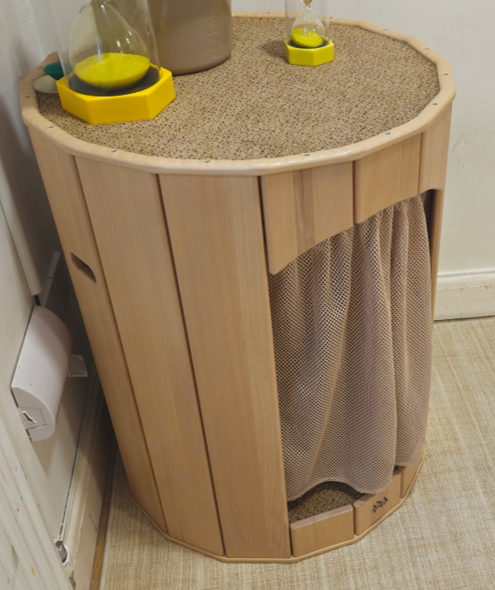
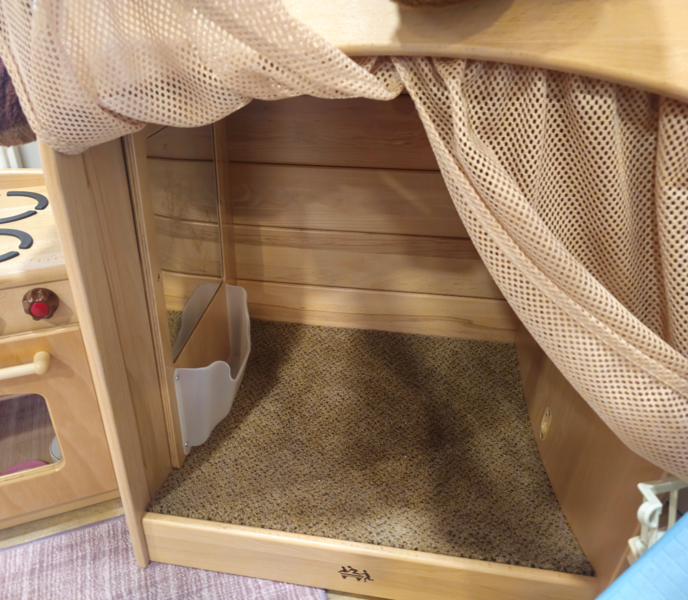
Our Sensory Room is one of the supportive environments available to help children with regulation, wellbeing and individual sensory needs. It offers another calm, low-demand space that can be used thoughtfully, according to what an individual child needs at that time.
Children make the most progress when nursery and home work together. If you have any questions about your child's behaviour or emotional development, please speak to a member of our team — we are always happy to talk things through with you.